

New Products
New Products



Cooking Bases
Cooking Bases: Definition and Role
1. Definition
Cooking bases are fundamental preparations on which classical and modern gastronomy is built. They include:
-
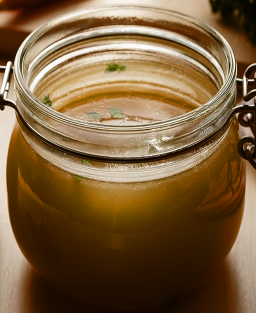
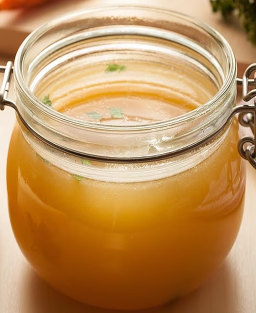
Stocks (white stock, brown stock, broths…)
-
Bouillons
-
Mother sauces (according to Auguste Escoffier: béchamel, velouté, espagnole, hollandaise, tomato…)
-
Basic soups
-
Marinades
These elements serve as the foundation for almost every recipe, whether in traditional French cuisine or world cuisines.
2. Purpose of Cooking Bases
a) Structure and consistency of dishes
-
A well-made mother sauce can lead to dozens of derivative sauces, avoiding the need to start from scratch each time.
-
A good stock adds depth and richness to soups, risottos, sauces, or stews.
b) Time-saving and efficiency
-
Knowing the bases allows chefs to prepare complex dishes quickly, as they can be made ahead and stored.
-
For example, a chicken stock can be used for sauces, soups, or risottos.
c) Quality and flavor depth
-
Mastering bases ensures balanced and harmonious flavors.
-
A dish without a solid base can taste flat or unbalanced.
d) Versatility and creativity
-
Once mastered, bases can be adapted to different cuisines and styles: French sauces, Asian broths, Indian marinades…
-
They allow you to innovate while maintaining fundamental quality.
3. Why Learn Them
-
Understand the fundamentals of cooking
Bases are the backbone of gastronomy. Without them, it’s difficult to create coherent or complex dishes. -
Develop technique
Mastering stocks, broths, and sauces improves precision, timing, and flavor, essential skills for professional or advanced amateur chefs. -
Ensure consistency
Knowing the bases guarantees that each dish will have the same high level of quality and taste, crucial in restaurants or home cooking. -
Expand creativity
Bases allow you to reinvent classics or create original recipes while keeping flavors and textures balanced.
Practical Example
-
Vegetable broth → used for soups, risottos, or vegetarian stews.
-
Béchamel → used for gratins, croque-monsieur, lasagna, or creamy sauces.
-
Brown stock → used as a base for meat sauces, stews, or braised dishes.
Knowing and mastering the bases gives you powerful and versatile tools that transform cooking into a controlled art rather than random improvisation.
Subcategories


There are 46 products.
-

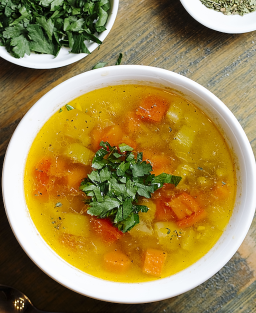
Vegetable Stock Recipe – a light plant-based base for sauces, soups and...
Vegetable Stock Recipe – a.
-
Pork Stock Recipe – Rustic Regional Base for Traditional Dishes with Strong...
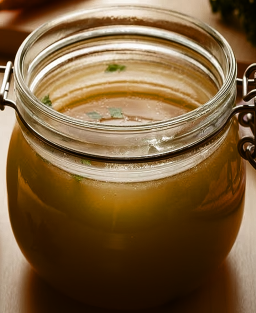
Brown Beef Stock (Fond Brun de Bœuf) Rich and full-bodied base for classic...
Brown Beef Stock (Fond Brun de Bœuf)
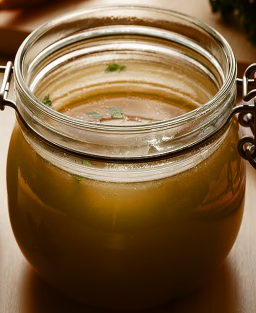
Recette du fond de veau lié – base corsée et sirupeuse pour sauces riches et...
Recette du fond de veau lié – base corsée et sirupeuse pour sauces riches et onctueuses
Pays / Région
-
Pays : France
-
Région.
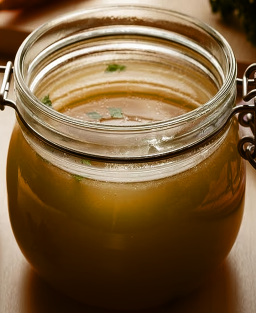
Recette du fond clair de volaille – bouillon léger et limpide pour sauces...
Recette du fond clair de volaille – bouillon léger et limpide pour sauces délicates
Pays / Région
-
Pays : France
-
Région :.
Recette du fond brun de volaille selon Escoffier – base riche et corsée pour...
Recette du fond brun de volaille selon Escoffier – base riche et corsée pour sauces et plats raffinés
Pays / Région
-
Pays : France
.
Recette du fumet de poisson – bouillon concentré et aromatique pour sauces et...
Recette du fumet de poisson – bouillon concentré et aromatique pour sauces et plats de poisson
Recette du fond de gibier à poils selon Escoffier – base puissante et...
Recette du fond de gibier à poils selon Escoffier – base puissante et parfumée pour sauces de gibier
Pays / Région
-
Pays : France
.
Recette du fond de gibier à plumes selon Escoffier – base délicate et...
Recette du fond de gibier à plumes selon Escoffier – base délicate et aromatique pour sauces de volailles sauvages
Pays /.
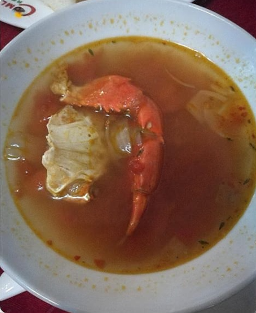
Recette du fumet de crustacés – base parfumée pour sauces et soupes aux...
Recette du fumet de crustacés – base parfumée pour sauces et soupes aux fruits de mer
Pays / Région
-
Pays : France
.
Recette du fond blanc de volaille selon Escoffier – base claire et délicate...
Recette du fond blanc de volaille selon Escoffier – base claire et délicate pour sauces et plats
Pays / Région
- .
-