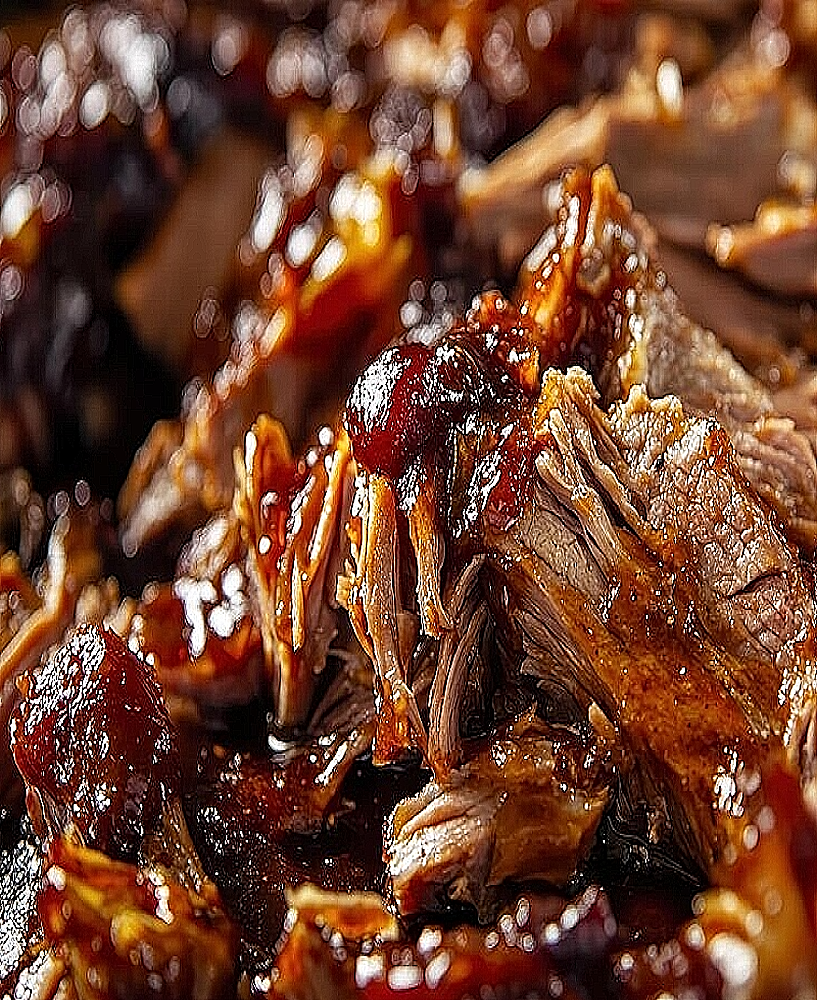

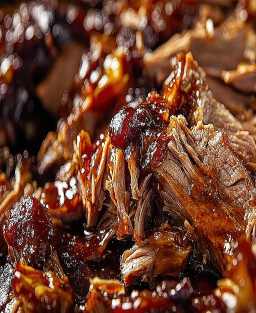
American-style barbecue pulled pork, slowly braised with a choice of American beer (Porter, Stout, Brown Ale, or Amber Ale) and enhanced with maple syrup and a blend of toasted spices.
Pulled Pork (American English)
Pork Shoulder BBQ (term used in some regions of the U.S. for slow-cooked pork shoulder)
Shredded Pork Shoulder (literal English translation often used in restaurants)
Discover the traditional pulled pork recipe, an iconic dish from the southern United States, prized for its slow cooking, tender texture, and subtle balance between the sweetness of maple syrup and the aromatic notes of American beer.
Different pork cuts can be used: shoulder, butt, or picnic. The outcome will vary slightly depending on the fat content and chosen beer.
Eastern Carolina (vinegar/pepper)
Dry or semi-dry cider → Its acidity complements the vinegar sauce without overpowering it.
Light Pilsner → Refreshing, does not mask the pork flavor.
Western Carolina / Lexington (vinegar/tomato)
Amber Ale or light IPA → Balances sweetness and acidity.
Sweet cider → Softer option if the sauce is slightly sweet.
Carolina Gold (mustard/vinegar)
Malted blonde beer → Enhances the richness of mustard and sugar.
Sweet or semi-dry cider → Balances the mustard’s intensity.
Dry rub (smoky, dry)
Amber Ale or light Porter → Highlights smoky flavor with malty notes.
Dry cider → Cleanses the palate between smoky bites.
Wet (thick, sweet sauce)
Stout or dark beer → Complements sweet, caramelized sauce.
Sweet or rosé cider → Contrasts sugar in the sauce.
IPA or Pale Ale → Bitterness cuts through sticky sweetness.
Dry or semi-dry cider → Adds freshness and acidity to counter the richness of the sauce.
Depending on rubs and marinades:
Fruity IPA or spiced beer → For spicy or bold sauces.
Flavored craft cider (pear, spiced apple) → Harmonizes with sweet or spicy notes.
Light blonde or lager → Versatile accompaniment, especially with delicate flavors.
Tips:
Acidic or vinegar-based sauces pair well with cider.
Sweet, smoky, or spicy sauces pair well with malty or bitter beer.
Dish type: Main course
Service: Brewery, gourmet restaurant, catering
Servings: 6
Skill level: Intermediate
Saying:
"Barbecue is going low and slow." — Guy Fieri
This maxim differentiates fast grilling from true slow barbecue cooking, essential for tender, flavorful pulled pork.
Legend:
Pulled pork is tied to Southern U.S. barbecue traditions, often celebrated at family gatherings and local festivals. According to legend, some cooks used local beers to flavor the long cook, creating unique recipes passed down through generations.
Geographical origin & status:
Country: United States
Region: Southern U.S. (Carolina, Tennessee, Texas)
Creator: Oral tradition
Official guidelines: Slow cooking at low temperature, confit meat, use of spices, optionally beer or cider
Origin of the Dish
Pulled pork appeared in the 19th century in the southern U.S. as a way to slowly cook less-prized cuts of pork until tender and flavorful.
Initially cooked in wood ovens or outdoor smokers, often to feed multiple families or for local celebrations.
Influenced by Southern economic and agricultural conditions: large pig farms, available firewood, and local beers.
Cultural Influences & Flavor Exchanges
Introduction of European and African ingredients (spices, sugar, maple syrup) enriched the flavor profile.
Using American craft beers in cooking reflects local culture and regional malt and hop trade.
Technical & Culinary Evolution
From popular home cooking to modern restaurant versions with refined finishes and contemporary plating.
Introduction of low-temperature cooking in ovens or modern barbecue, use of toasted spice blends, homemade sauces, and sweet-savory variations.
Aaron Franklin – Austin (TX): master of smoking and slow cooking in traditional Texas barbecue
Chris Lilly – Big Bob Gibson Bar-B-Q (AL): smoky and sweet sauces
Rodney Scott – Charleston (SC): classic American pulled pork with simple, precise seasoning
Myron Mixon – Tennessee: low-temperature cooking techniques and homemade spice blends
Tuffy Stone – Richmond (VA): modern versions with caramelized maple syrup finish
John Lewis – Memphis (TN): regional version using Brown Ale or Porter for cooking flavor
Presentation:
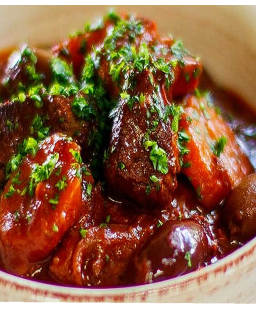
Dark, glossy shredded pork, served with aromatic juice over bread slices or in a family-style dish.
Texture:
Tender, juicy, fibrous.
Dominant Aromas:
Malty, caramelized, slightly spicy and sweet depending on maple syrup.
Culinary Particularities:
Main cooking methods: slow cooking, braising, smoking
Key techniques: spice toasting, searing for caramelization, juice reduction, shredding
Typical ingredients: Southern spices (paprika, cayenne, mustard seeds), maple syrup, American beer (Porter/Stout/Brown Ale/Amber Ale), garlic, onion
Cast-iron pot
Sauté pan
Non-stick skillet
Chef’s knife and paring knife
HACCP cutting board
Rubber spatula (Maryse)
Immersion blender (for juice reduction)
Fine sieve / chinois
1 kg pork shoulder
100 g smoked bacon lardons
50 g butter
50 cl American beer of choice: Porter, Stout, Brown Ale, or Amber Ale, or cider
10 cl maple syrup
½ tsp cayenne pepper
1 tbsp paprika
1 tbsp mustard seeds
½ tbsp coriander seeds
½ tbsp cumin seeds
½ tsp fresh grated ginger
1 tsp whole black pepper
1 tbsp thyme
1 garlic head, halved
3 red onions, thinly sliced
1 tbsp fine salt
1 tbsp whole cane sugar
Optional substitutions: shoulder, butt, or picnic; adjust spices to regional taste.
Time:
Prep: 30 min
Cooking: 3 h 30 – 4 h
Rest: 10 min
Organize workspace according to HACCP: dedicated board, clean knives, utensils at hand.
Prepare all tools: pan for toasting, blender, pot, spatula, thermometer, oven.
Separate spices for toasting and final rub.
Weigh and prepare all ingredients.
Pro Tip: Meat can be prepared the night before; overnight spice coating intensifies flavors and ensures even cooking.
Dry-toast mustard, coriander, and cumin seeds 2–3 min in hot pan, stirring constantly.
Grind toasted seeds into coarse powder.
Mix with paprika, cayenne, ginger, thyme, salt, and cane sugar.
Coat pork evenly with the spice blend.
Marinate at least 1 hour, ideally overnight in fridge. Remove 30 min before cooking.
Preheat oven to 150 °C (300 °F).
Sear meat in melted butter 5–7 min per side.
Remove meat; sauté onion and bacon 10 min.
Add garlic, beer/cider, and maple syrup; bring to gentle simmer.
Return meat to pot, cover, bake 3 h 30–4 h, turning halfway through.
Check: meat should be tender and easily shredded.
Pro Tip: For extra tenderness, cook at 130 °C (265 °F) for 5–6 h, ensuring liquid does not fully evaporate.
Shred meat with fork or immersion blender for finer texture.
Adjust seasoning with salt, pepper, or extra maple syrup.
Serve on bread, in family dish, or individual pot.
Drizzle with reduced cooking juices.
Make-ahead: Refrigerate up to 24 h in its juice; reheat gently at 120 °C (250 °F) or steam.
American Beers:
Porter or Stout: roasted, caramel intensity. Best within a year of bottling.
Brown Ale: round, balanced. Optimal 6–12 months after bottling.
Amber Ale: malty sweetness and mild bitterness.
Wines:
Full-bodied red (Malbec, Shiraz)
Aromatic white (Gewurztraminer, Viognier)
Sides:
Sweet potato mash, glazed carrots, fig or apple chutney, coleslaw, corn cakes
Energy: 450 kcal / 1885 kJ
Fat: 22 g
Carbs: 18 g
Protein: 40 g
Fiber: 3 g
Allergens: Gluten, lactose, mustard, sulfites (beer)
Possible Adaptations:
Gluten-free: gluten-free bread
Vegetarian: replace pork with jackfruit and vegetable broth
Lactose-free: replace butter with margarine or oil
Pulled Pork / American-Style Slow-Cooked Pork: pork cooked until tender and shredded, flavored with beer, maple syrup, and spices
Dry Rub: dry spice mix applied before cooking
Wet: served with thick, sweet sauce
Carolina-style / Memphis-style / Kansas City-style: regional barbecue styles
Braising: slow cooking in aromatic liquid
Smoking: finishing or cooking meat with wood smoke
Maple Syrup: natural sweetener for caramelization
Maryse: flexible spatula
Coleslaw: shredded cabbage salad
Low & Slow: long, low-temperature cooking
Spice Toasting: light heating of seeds/spices to intensify flavor
Immersion Blender / Chinois: tools for reducing and straining cooking liquid
Common Allergens: gluten, lactose, mustard, sulfites
American-style barbecue pulled pork, slowly braised with a choice of American beer (Porter, Stout, Brown Ale, or Amber Ale) and enhanced with maple syrup and a blend of toasted spices.
Pulled Pork (American English)
Pork Shoulder BBQ (term used in some regions of the U.S. for slow-cooked pork shoulder)
Shredded Pork Shoulder (literal English translation often used in restaurants)
Discover the traditional pulled pork recipe, an iconic dish from the southern United States, prized for its slow cooking, tender texture, and subtle balance between the sweetness of maple syrup and the aromatic notes of American beer.
Different pork cuts can be used: shoulder, butt, or picnic. The outcome will vary slightly depending on the fat content and chosen beer.
Eastern Carolina (vinegar/pepper)
Dry or semi-dry cider → Its acidity complements the vinegar sauce without overpowering it.
Light Pilsner → Refreshing, does not mask the pork flavor.
Western Carolina / Lexington (vinegar/tomato)
Amber Ale or light IPA → Balances sweetness and acidity.
Sweet cider → Softer option if the sauce is slightly sweet.
Carolina Gold (mustard/vinegar)
Malted blonde beer → Enhances the richness of mustard and sugar.
Sweet or semi-dry cider → Balances the mustard’s intensity.
Dry rub (smoky, dry)
Amber Ale or light Porter → Highlights smoky flavor with malty notes.
Dry cider → Cleanses the palate between smoky bites.
Wet (thick, sweet sauce)
Stout or dark beer → Complements sweet, caramelized sauce.
Sweet or rosé cider → Contrasts sugar in the sauce.
IPA or Pale Ale → Bitterness cuts through sticky sweetness.
Dry or semi-dry cider → Adds freshness and acidity to counter the richness of the sauce.
Depending on rubs and marinades:
Fruity IPA or spiced beer → For spicy or bold sauces.
Flavored craft cider (pear, spiced apple) → Harmonizes with sweet or spicy notes.
Light blonde or lager → Versatile accompaniment, especially with delicate flavors.
Tips:
Acidic or vinegar-based sauces pair well with cider.
Sweet, smoky, or spicy sauces pair well with malty or bitter beer.
Dish type: Main course
Service: Brewery, gourmet restaurant, catering
Servings: 6
Skill level: Intermediate
Saying:
"Barbecue is going low and slow." — Guy Fieri
This maxim differentiates fast grilling from true slow barbecue cooking, essential for tender, flavorful pulled pork.
Legend:
Pulled pork is tied to Southern U.S. barbecue traditions, often celebrated at family gatherings and local festivals. According to legend, some cooks used local beers to flavor the long cook, creating unique recipes passed down through generations.
Geographical origin & status:
Country: United States
Region: Southern U.S. (Carolina, Tennessee, Texas)
Creator: Oral tradition
Official guidelines: Slow cooking at low temperature, confit meat, use of spices, optionally beer or cider
Origin of the Dish
Pulled pork appeared in the 19th century in the southern U.S. as a way to slowly cook less-prized cuts of pork until tender and flavorful.
Initially cooked in wood ovens or outdoor smokers, often to feed multiple families or for local celebrations.
Influenced by Southern economic and agricultural conditions: large pig farms, available firewood, and local beers.
Cultural Influences & Flavor Exchanges
Introduction of European and African ingredients (spices, sugar, maple syrup) enriched the flavor profile.
Using American craft beers in cooking reflects local culture and regional malt and hop trade.
Technical & Culinary Evolution
From popular home cooking to modern restaurant versions with refined finishes and contemporary plating.
Introduction of low-temperature cooking in ovens or modern barbecue, use of toasted spice blends, homemade sauces, and sweet-savory variations.
Aaron Franklin – Austin (TX): master of smoking and slow cooking in traditional Texas barbecue
Chris Lilly – Big Bob Gibson Bar-B-Q (AL): smoky and sweet sauces
Rodney Scott – Charleston (SC): classic American pulled pork with simple, precise seasoning
Myron Mixon – Tennessee: low-temperature cooking techniques and homemade spice blends
Tuffy Stone – Richmond (VA): modern versions with caramelized maple syrup finish
John Lewis – Memphis (TN): regional version using Brown Ale or Porter for cooking flavor
Presentation:
Dark, glossy shredded pork, served with aromatic juice over bread slices or in a family-style dish.
Texture:
Tender, juicy, fibrous.
Dominant Aromas:
Malty, caramelized, slightly spicy and sweet depending on maple syrup.
Culinary Particularities:
Main cooking methods: slow cooking, braising, smoking
Key techniques: spice toasting, searing for caramelization, juice reduction, shredding
Typical ingredients: Southern spices (paprika, cayenne, mustard seeds), maple syrup, American beer (Porter/Stout/Brown Ale/Amber Ale), garlic, onion
Cast-iron pot
Sauté pan
Non-stick skillet
Chef’s knife and paring knife
HACCP cutting board
Rubber spatula (Maryse)
Immersion blender (for juice reduction)
Fine sieve / chinois
1 kg pork shoulder
100 g smoked bacon lardons
50 g butter
50 cl American beer of choice: Porter, Stout, Brown Ale, or Amber Ale, or cider
10 cl maple syrup
½ tsp cayenne pepper
1 tbsp paprika
1 tbsp mustard seeds
½ tbsp coriander seeds
½ tbsp cumin seeds
½ tsp fresh grated ginger
1 tsp whole black pepper
1 tbsp thyme
1 garlic head, halved
3 red onions, thinly sliced
1 tbsp fine salt
1 tbsp whole cane sugar
Optional substitutions: shoulder, butt, or picnic; adjust spices to regional taste.
Time:
Prep: 30 min
Cooking: 3 h 30 – 4 h
Rest: 10 min
Organize workspace according to HACCP: dedicated board, clean knives, utensils at hand.
Prepare all tools: pan for toasting, blender, pot, spatula, thermometer, oven.
Separate spices for toasting and final rub.
Weigh and prepare all ingredients.
Pro Tip: Meat can be prepared the night before; overnight spice coating intensifies flavors and ensures even cooking.
Dry-toast mustard, coriander, and cumin seeds 2–3 min in hot pan, stirring constantly.
Grind toasted seeds into coarse powder.
Mix with paprika, cayenne, ginger, thyme, salt, and cane sugar.
Coat pork evenly with the spice blend.
Marinate at least 1 hour, ideally overnight in fridge. Remove 30 min before cooking.
Preheat oven to 150 °C (300 °F).
Sear meat in melted butter 5–7 min per side.
Remove meat; sauté onion and bacon 10 min.
Add garlic, beer/cider, and maple syrup; bring to gentle simmer.
Return meat to pot, cover, bake 3 h 30–4 h, turning halfway through.
Check: meat should be tender and easily shredded.
Pro Tip: For extra tenderness, cook at 130 °C (265 °F) for 5–6 h, ensuring liquid does not fully evaporate.
Shred meat with fork or immersion blender for finer texture.
Adjust seasoning with salt, pepper, or extra maple syrup.
Serve on bread, in family dish, or individual pot.
Drizzle with reduced cooking juices.
Make-ahead: Refrigerate up to 24 h in its juice; reheat gently at 120 °C (250 °F) or steam.
American Beers:
Porter or Stout: roasted, caramel intensity. Best within a year of bottling.
Brown Ale: round, balanced. Optimal 6–12 months after bottling.
Amber Ale: malty sweetness and mild bitterness.
Wines:
Full-bodied red (Malbec, Shiraz)
Aromatic white (Gewurztraminer, Viognier)
Sides:
Sweet potato mash, glazed carrots, fig or apple chutney, coleslaw, corn cakes
Energy: 450 kcal / 1885 kJ
Fat: 22 g
Carbs: 18 g
Protein: 40 g
Fiber: 3 g
Allergens: Gluten, lactose, mustard, sulfites (beer)
Possible Adaptations:
Gluten-free: gluten-free bread
Vegetarian: replace pork with jackfruit and vegetable broth
Lactose-free: replace butter with margarine or oil
Pulled Pork / American-Style Slow-Cooked Pork: pork cooked until tender and shredded, flavored with beer, maple syrup, and spices
Dry Rub: dry spice mix applied before cooking
Wet: served with thick, sweet sauce
Carolina-style / Memphis-style / Kansas City-style: regional barbecue styles
Braising: slow cooking in aromatic liquid
Smoking: finishing or cooking meat with wood smoke
Maple Syrup: natural sweetener for caramelization
Maryse: flexible spatula
Coleslaw: shredded cabbage salad
Low & Slow: long, low-temperature cooking
Spice Toasting: light heating of seeds/spices to intensify flavor
Immersion Blender / Chinois: tools for reducing and straining cooking liquid
Common Allergens: gluten, lactose, mustard, sulfites