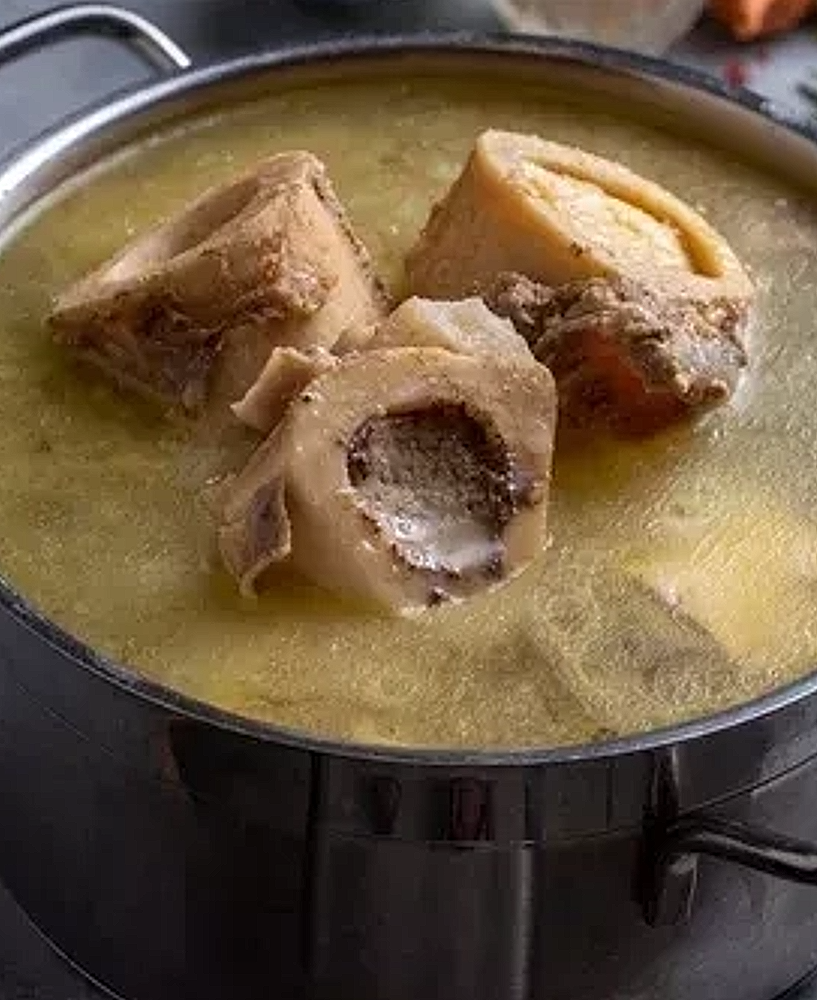

豚骨スープ — Tonkotsu Sūpu
Etymology: 豚 (ton = pork) + 骨 (kotsu = bone) + スープ (sūpu = soup, borrowed from English)
Milky ramen broth of Hakata origin (Fukuoka), obtained through prolonged boiling of pork bones — high-temperature emulsion technique.
"Discover the traditional recipe for Tonkotsu broth, an emblematic speciality of Fukuoka (Kyūshū, Japan), recognised for its authenticity, its richness in collagen and its popular heritage rooted in the culture of yatai ramen stalls."
Name in original language: 豚骨スープ (Tonkotsu Sūpu) Dialectal variants: Hakata ramen (博多ラーメン) designates the ramen served with this broth in Fukuoka; Kurume ramen designates the founding version from the city of Kurume.
Tonkotsu was born in the 1940s in Kurume, an industrial city in southern Kyūshū, in a post-war context marked by scarcity and culinary ingenuity. The founding legend attributes its accidental birth to a yatai cook who left a pork bone broth — usually prepared over low heat — cooking too long at too high a temperature, accidentally obtaining the characteristic white, creamy texture.
Fukuoka (Hakata) adopted it and developed its own version: an even more concentrated, nearly opaque broth, served with thin, straight noodles (hosomen). The yatai culture — those street stalls open at night on the pavements of Fukuoka — turned Hakata ramen into a social institution as much as a culinary one, a gathering place for workers, revellers and night owls.
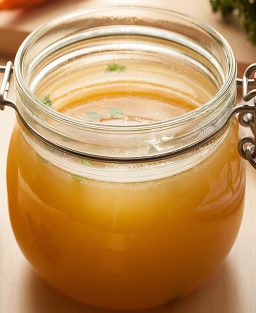
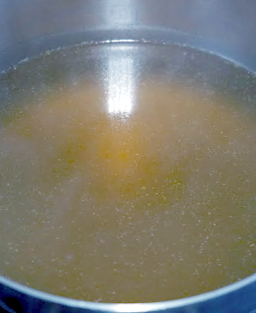
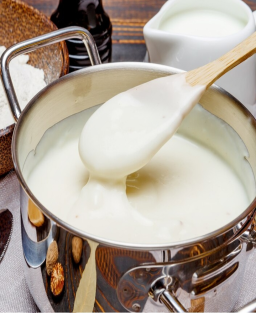
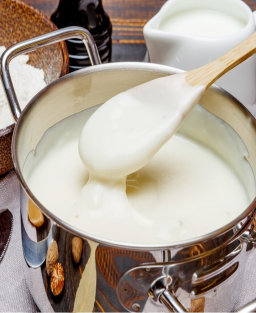
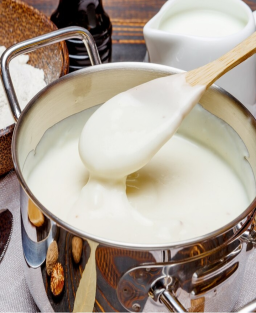
Tonkotsu stands radically apart from the other major Japanese broth families (shio, shoyu, miso) through its technique: whereas those are obtained by low-temperature infusion to preserve clarity and delicacy, Tonkotsu demands a violent, prolonged boil. This boiling emulsifies the collagen and lipids contained in the bones — primarily marrow bones and trotters — into a stable white suspension, rich in gelatine, with a texture close to condensed milk.
From the 1980s–1990s onwards, Tonkotsu experienced national diffusion in Japan, driven by chains such as Ippudo (founded in Fukuoka in 1985) and Ichiran, then international expansion that made it one of the most recognised ramen broths abroad. This globalisation brought adaptations (use of chicken broth as a complement, toning down of intensity) without erasing the identity of the original.
The fundamental technical characteristic of Tonkotsu is the rolling boil, uncovered, throughout the entire cooking time. Unlike all other Japanese broths, it does not clarify: the goal is total emulsion. A Tonkotsu obtained over low heat will be a failure: it will be clear, watery and devoid of the expected creamy texture.
(Target yield: 2.5 to 3 litres — 6 to 8 ramen base portions)
| Ingredient | Japanese name | Rōmaji | Quantity |
|---|---|---|---|
| Pork bones (back, neck, femur) | 豚骨 | Tonkotsu | 2 kg |
| Pork trotter (optional, but strongly recommended) | 豚足 | Tonsoku | 1 piece (~500 g) |
| Ginger | 生姜 | Shōga | 5 cm, sliced |
| Garlic | にんにく | Ninniku | 1 head, halved |
| Leeks or spring onions | 長ネギ | Naga-negi | 2 pieces |
| Onion | 玉ねぎ | Tamanegi | 1, halved |
| Water | 水 | Mizu | 4 to 5 litres (to compensate for evaporation) |
⚠️ Ingredients removed from the original version:
Accepted variants:
Variants not in keeping with Hakata tradition:
1. Mise en place
Weigh and gather all ingredients. Prepare two containers: one for blanching, one clean container for the main cook. Ensure sufficient hot water is on hand for top-ups.
2. Blanching the bones (critical purification step)
Place the pork bones and trotter in the pot. Cover with cold water. Bring to a full boil. Boil uncovered for 10 minutes. This step eliminates blood, coagulated proteins and undesirable odours. Drain. Rinse each bone thoroughly under cold running water. Clean the pot completely.
3. Main cook — vigorous uncovered boil
Return the blanched bones to the clean pot. Cover with 4 to 5 litres of cold water. Bring to a boil over high heat.
⚠️ Fundamental technical point: Once boiling is reached, maintain an active, continuous rolling boil, uncovered, throughout the entire cooking time. Do not reduce to low heat. It is the boil itself that emulsifies the collagen and lipids and creates the milky white texture of Tonkotsu. Low heat will produce a clear broth — that is not the objective.
Add the sliced ginger, halved garlic, leeks and onion after the first hour.
Check the water level regularly. Add hot water (never cold) to keep the bones submerged. Do not cover.
Skim during the first few hours until the broth turns white and the foam disappears.
Cook for a minimum of 12 hours. For a more concentrated and creamier broth, extend to 18–20 hours.
4. Finishing
Remove bones and aromatics. Strain through a fine-mesh strainer or muslin cloth to obtain a smooth, homogeneous texture.
Do not season the broth. Salt, soy sauce, mirin or any other tare are added individually in the bowl at the time of service — never in the broth base itself.
If necessary, reduce over medium heat to concentrate further.
5. Service
Serve hot (80–85 °C) as a ramen base. Traditional garnishes include: thin straight noodles (hosomen), chashu (braised pork), ajitsuke tamago (marinated egg), menma (lacto-fermented bamboo shoots), nori, beni shōga (pickled red ginger), finely sliced spring onions.
| Observed defect | Probable cause | Correction |
|---|---|---|
| Clear, watery broth | Heat too low, covered cooking | Increase heat, extend uncovered cooking time |
| Excess floating fat | Insufficient emulsion | Briefly blend with immersion blender, then return to boil for 30 min |
| Overly pronounced / acrid taste | Insufficient blanching | Cannot be corrected — remake the broth with proper blanching |
| Broth too light in flavour | Too diluted or cooking time too short | Reduce over medium heat without a lid |
The tare is the concentrated seasoning added in the bowl, separate from the broth. It is never incorporated into the stock itself.
Three main tare families compatible with Tonkotsu:
Shio-tare (塩タレ — salt): salt, water, kombu, sake. Profile: clean, mineral, allows the broth to express itself fully. The most traditional version with Tonkotsu.
Shoyu-tare (醤油タレ — soy sauce): soy sauce, mirin, sake, reduced sugar. Profile: darker, more umami-forward, a frequent contemporary Hakata version.
Miso-tare: less traditional with Tonkotsu, more associated with Sapporo ramen.
Quantity per bowl: 15 to 30 ml of tare per 250–300 ml of Tonkotsu broth.
| Mistake | Consequence | Correction |
|---|---|---|
| Cooking over low heat or with a lid | Clear broth, no milky texture | Maintain vigorous uncovered boil from the start |
| Skipping the blanching | Cloudy broth, undesirable odours, acrid taste | 10-min blanching mandatory + thorough rinsing |
| Adding soy sauce to the broth | Loss of versatility, alters the tare | Season only in the bowl at the time of service |
| Letting kombu cook through the prolonged boil | Bitterness, undesirable iodine notes | Remove kombu before boiling or use in a separate cold infusion |
| Not topping up water during cooking | Broth becomes over-concentrated, then runs dry | Monitor level every 2 hours, top up with hot water only |
| Cold water as top-up | Breaks the boil, thermal shock | Always use hot or boiling water for top-ups |
Texture: For an even creamier texture, add pork rind from the start. It is very rich in collagen and intensifies the emulsion. Some cooks pass the finished broth through an immersion blender for 30 seconds to further homogenise it, then return it to the boil for 15 minutes.
Aromas: Dry-char the garlic and ginger in a pan with no fat before adding them to the broth — this toasting brings roasted notes that add complexity to the aromatic profile without weighing it down.
Chef's tip: Tonkotsu improves with time. An 18 to 20-hour broth is markedly superior to a 12-hour one. If you have a night to spare, use it.
Equipment:
Traditional service: Deep bowl, hot (pre-warmed with boiling water), broth served at 80–85 °C.
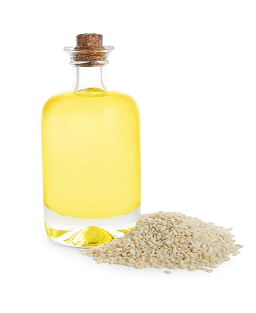
Traditional Hakata garnishes: Thin straight hosomen noodles, chashu, ajitsuke tamago, menma, beni shōga, nori, spring onions, toasted sesame, a drizzle of sesame oil or flavoured pork fat (mayu — black garlic oil).
Drink pairings:
Estimated values — to be refined according to the precise recipe and laboratory analysis
Note: values increase significantly with the addition of tare, noodles and garnishes. Extended nutritional block available on request.
豚骨スープ — Tonkotsu Sūpu
Etymology: 豚 (ton = pork) + 骨 (kotsu = bone) + スープ (sūpu = soup, borrowed from English)
Milky ramen broth of Hakata origin (Fukuoka), obtained through prolonged boiling of pork bones — high-temperature emulsion technique.
"Discover the traditional recipe for Tonkotsu broth, an emblematic speciality of Fukuoka (Kyūshū, Japan), recognised for its authenticity, its richness in collagen and its popular heritage rooted in the culture of yatai ramen stalls."
Name in original language: 豚骨スープ (Tonkotsu Sūpu) Dialectal variants: Hakata ramen (博多ラーメン) designates the ramen served with this broth in Fukuoka; Kurume ramen designates the founding version from the city of Kurume.
Tonkotsu was born in the 1940s in Kurume, an industrial city in southern Kyūshū, in a post-war context marked by scarcity and culinary ingenuity. The founding legend attributes its accidental birth to a yatai cook who left a pork bone broth — usually prepared over low heat — cooking too long at too high a temperature, accidentally obtaining the characteristic white, creamy texture.
Fukuoka (Hakata) adopted it and developed its own version: an even more concentrated, nearly opaque broth, served with thin, straight noodles (hosomen). The yatai culture — those street stalls open at night on the pavements of Fukuoka — turned Hakata ramen into a social institution as much as a culinary one, a gathering place for workers, revellers and night owls.
Tonkotsu stands radically apart from the other major Japanese broth families (shio, shoyu, miso) through its technique: whereas those are obtained by low-temperature infusion to preserve clarity and delicacy, Tonkotsu demands a violent, prolonged boil. This boiling emulsifies the collagen and lipids contained in the bones — primarily marrow bones and trotters — into a stable white suspension, rich in gelatine, with a texture close to condensed milk.
From the 1980s–1990s onwards, Tonkotsu experienced national diffusion in Japan, driven by chains such as Ippudo (founded in Fukuoka in 1985) and Ichiran, then international expansion that made it one of the most recognised ramen broths abroad. This globalisation brought adaptations (use of chicken broth as a complement, toning down of intensity) without erasing the identity of the original.
The fundamental technical characteristic of Tonkotsu is the rolling boil, uncovered, throughout the entire cooking time. Unlike all other Japanese broths, it does not clarify: the goal is total emulsion. A Tonkotsu obtained over low heat will be a failure: it will be clear, watery and devoid of the expected creamy texture.
(Target yield: 2.5 to 3 litres — 6 to 8 ramen base portions)
| Ingredient | Japanese name | Rōmaji | Quantity |
|---|---|---|---|
| Pork bones (back, neck, femur) | 豚骨 | Tonkotsu | 2 kg |
| Pork trotter (optional, but strongly recommended) | 豚足 | Tonsoku | 1 piece (~500 g) |
| Ginger | 生姜 | Shōga | 5 cm, sliced |
| Garlic | にんにく | Ninniku | 1 head, halved |
| Leeks or spring onions | 長ネギ | Naga-negi | 2 pieces |
| Onion | 玉ねぎ | Tamanegi | 1, halved |
| Water | 水 | Mizu | 4 to 5 litres (to compensate for evaporation) |
⚠️ Ingredients removed from the original version:
Accepted variants:
Variants not in keeping with Hakata tradition:
1. Mise en place
Weigh and gather all ingredients. Prepare two containers: one for blanching, one clean container for the main cook. Ensure sufficient hot water is on hand for top-ups.
2. Blanching the bones (critical purification step)
Place the pork bones and trotter in the pot. Cover with cold water. Bring to a full boil. Boil uncovered for 10 minutes. This step eliminates blood, coagulated proteins and undesirable odours. Drain. Rinse each bone thoroughly under cold running water. Clean the pot completely.
3. Main cook — vigorous uncovered boil
Return the blanched bones to the clean pot. Cover with 4 to 5 litres of cold water. Bring to a boil over high heat.
⚠️ Fundamental technical point: Once boiling is reached, maintain an active, continuous rolling boil, uncovered, throughout the entire cooking time. Do not reduce to low heat. It is the boil itself that emulsifies the collagen and lipids and creates the milky white texture of Tonkotsu. Low heat will produce a clear broth — that is not the objective.
Add the sliced ginger, halved garlic, leeks and onion after the first hour.
Check the water level regularly. Add hot water (never cold) to keep the bones submerged. Do not cover.
Skim during the first few hours until the broth turns white and the foam disappears.
Cook for a minimum of 12 hours. For a more concentrated and creamier broth, extend to 18–20 hours.
4. Finishing
Remove bones and aromatics. Strain through a fine-mesh strainer or muslin cloth to obtain a smooth, homogeneous texture.
Do not season the broth. Salt, soy sauce, mirin or any other tare are added individually in the bowl at the time of service — never in the broth base itself.
If necessary, reduce over medium heat to concentrate further.
5. Service
Serve hot (80–85 °C) as a ramen base. Traditional garnishes include: thin straight noodles (hosomen), chashu (braised pork), ajitsuke tamago (marinated egg), menma (lacto-fermented bamboo shoots), nori, beni shōga (pickled red ginger), finely sliced spring onions.
| Observed defect | Probable cause | Correction |
|---|---|---|
| Clear, watery broth | Heat too low, covered cooking | Increase heat, extend uncovered cooking time |
| Excess floating fat | Insufficient emulsion | Briefly blend with immersion blender, then return to boil for 30 min |
| Overly pronounced / acrid taste | Insufficient blanching | Cannot be corrected — remake the broth with proper blanching |
| Broth too light in flavour | Too diluted or cooking time too short | Reduce over medium heat without a lid |
The tare is the concentrated seasoning added in the bowl, separate from the broth. It is never incorporated into the stock itself.
Three main tare families compatible with Tonkotsu:
Shio-tare (塩タレ — salt): salt, water, kombu, sake. Profile: clean, mineral, allows the broth to express itself fully. The most traditional version with Tonkotsu.
Shoyu-tare (醤油タレ — soy sauce): soy sauce, mirin, sake, reduced sugar. Profile: darker, more umami-forward, a frequent contemporary Hakata version.
Miso-tare: less traditional with Tonkotsu, more associated with Sapporo ramen.
Quantity per bowl: 15 to 30 ml of tare per 250–300 ml of Tonkotsu broth.
| Mistake | Consequence | Correction |
|---|---|---|
| Cooking over low heat or with a lid | Clear broth, no milky texture | Maintain vigorous uncovered boil from the start |
| Skipping the blanching | Cloudy broth, undesirable odours, acrid taste | 10-min blanching mandatory + thorough rinsing |
| Adding soy sauce to the broth | Loss of versatility, alters the tare | Season only in the bowl at the time of service |
| Letting kombu cook through the prolonged boil | Bitterness, undesirable iodine notes | Remove kombu before boiling or use in a separate cold infusion |
| Not topping up water during cooking | Broth becomes over-concentrated, then runs dry | Monitor level every 2 hours, top up with hot water only |
| Cold water as top-up | Breaks the boil, thermal shock | Always use hot or boiling water for top-ups |
Texture: For an even creamier texture, add pork rind from the start. It is very rich in collagen and intensifies the emulsion. Some cooks pass the finished broth through an immersion blender for 30 seconds to further homogenise it, then return it to the boil for 15 minutes.
Aromas: Dry-char the garlic and ginger in a pan with no fat before adding them to the broth — this toasting brings roasted notes that add complexity to the aromatic profile without weighing it down.
Chef's tip: Tonkotsu improves with time. An 18 to 20-hour broth is markedly superior to a 12-hour one. If you have a night to spare, use it.
Equipment:
Traditional service: Deep bowl, hot (pre-warmed with boiling water), broth served at 80–85 °C.
Traditional Hakata garnishes: Thin straight hosomen noodles, chashu, ajitsuke tamago, menma, beni shōga, nori, spring onions, toasted sesame, a drizzle of sesame oil or flavoured pork fat (mayu — black garlic oil).
Drink pairings:
Estimated values — to be refined according to the precise recipe and laboratory analysis
Note: values increase significantly with the addition of tare, noodles and garnishes. Extended nutritional block available on request.