
Other names: Paio de porco, Smoked Paio
Discover the traditional recipe of Paio, Portugal’s iconic smoked sausage, made from pork, fatback, and spices. This delicacy combines rustic simplicity, authenticity, and intense flavor. Perfect to enrich stews, bean dishes, or enjoyed on its own, this charcuterie reflects the craftsmanship and heritage of Portuguese artisanal curing traditions.
"Quem come paio, nunca se atraiçoa!"
("He who eats Paio never betrays his appetite" – a popular Portuguese saying celebrating conviviality around cured meats.)
According to tradition, in the 17th century, the inhabitants of northern Portugal, facing harsh winters, preserved pork by smoking it to ensure a protein supply throughout the year.
The smoking technique for Paio is said to have been inspired by merchants from Central Europe, who adapted their methods to local woods and available spices.
Over time, Paio became a symbol of winter preparation and festivity in Portuguese homes.
Country: Portugal
Regions: North and Center (Minho, Trás-os-Montes)
Official status: Traditional recipe, without PDO or PGI
Recipe inventor: Handed down through artisanal and family tradition
Codified recipe: Yes
Traditional specifications: fresh pork, fatback, salt, garlic, paprika or pepper, natural casing, oak or chestnut wood smoking
Certification body: Local traditional charcuterie associations (e.g. Associação Portuguesa de Charcutaria Tradicional)
Paio, Portugal’s emblematic smoked sausage, originates from the rural regions of Minho and Trás-os-Montes, where pork reigned supreme at winter feasts.
As early as the 17th century, records mention smoking as an essential preservation method for meat during long, cold months, giving each village its unique aromatic signature.
Local woods — oak and chestnut — impart Paio’s distinctive warm, subtly woody aroma, while sea salt and garlic, perfected in the 19th century, highlight its depth of flavor.
Traditionally enjoyed during festivities, Christmas, and community gatherings, Paio accompanied bean stews and pork dishes as a symbol of generosity and conviviality.
Over the centuries, Spanish and broader European influences introduced new spices, such as paprika and sweet pepper, leading to diverse regional variations.
With Portuguese emigration, Paio crossed the Atlantic, inspiring certain American cured meats while remaining deeply rooted in Portuguese tradition.
Each family guards its own secret: the balance of salt, spice proportions, choice of wood, and smoking time.
This know-how, passed down through generations, has made Paio a true cultural emblem, celebrated at fairs and charcuterie festivals.
In the 20th century, some producers began marketing it on a larger scale, without betraying its artisanal spirit.
Even today, Paio is crafted in the old-fashioned way, using natural casings and slow smoking to preserve its firm texture and delicate aromas.
Paio is not only savored for its flavor — it tells a story: that of Portuguese villages where charcuterie was both an art and a social bond.
In stews, on festive tables, or simply sliced as an appetizer, it embodies refined simplicity, conviviality, and pride in Portugal’s culinary heritage.
Every village and artisan adds their own touch — spicier here, more smoky there.
And among all its cousins — chouriço, farinheira, alheira — Paio remains a timeless symbol of rustic cuisine, rich in taste and tradition.
Casa do Paio – Braga: Upholds traditional recipe and slow smoking.
Charcutaria Minhota – Viana do Castelo: Artisan sausages for stews and festive dishes.
Talho do Norte – Porto: Spicier variants, modern twist.
Mercado da Ribeira – Lisbon: Sells smoked Paio following regional traditions.
Charcutaria Trás-os-Montes – Chaves: Chestnut wood smoking, natural casing.
Antiga Casa Barros – Guimarães: Historical reference, family recipe preserved for three generations.
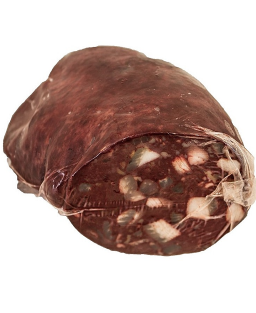
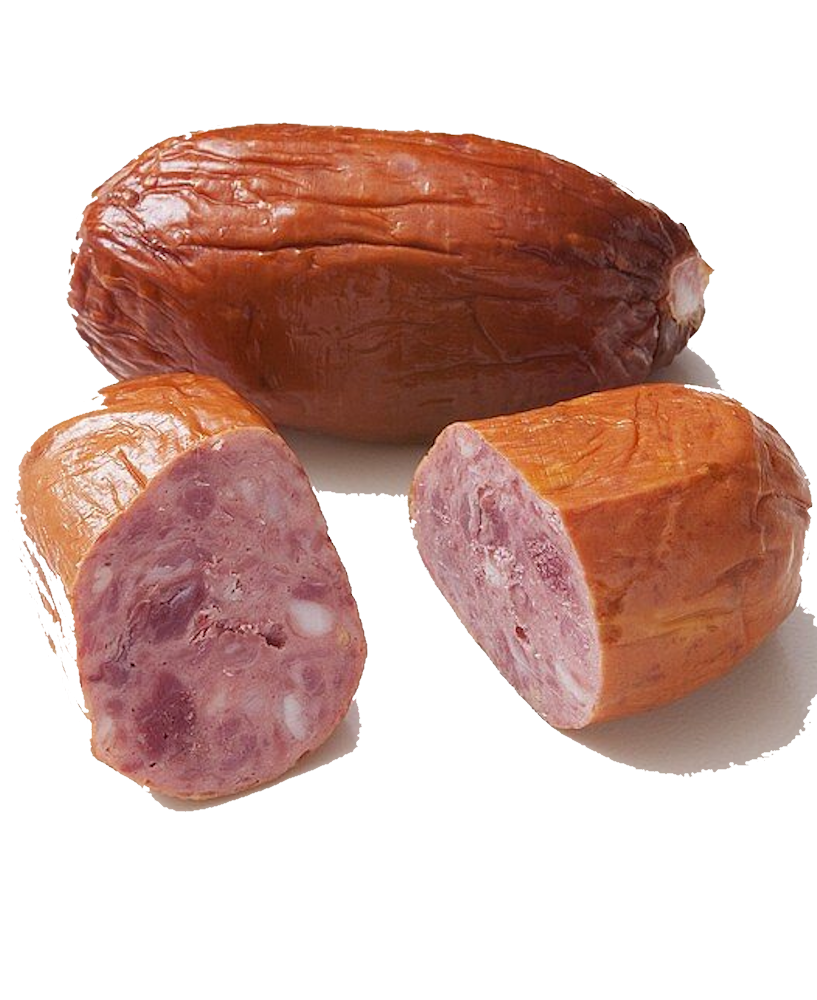
Presentation: Firm sausage with reddish-brown color, slightly glossy and oily surface, aromas of smoke and spice.
Culinary characteristics: Slow smoking, minimum 2–3 week curing, eaten raw or used in cooked dishes.
Required utensils: Meat grinder, natural casings, butcher’s twine, traditional or modern smoker, meat thermometer, cutting board.
Lean pork: 1 kg
Fresh fatback: 500 g
Salt: 25 g
Garlic: 4 crushed cloves
Sweet paprika: 10 g (optional, depending on region)
Ground black pepper: 5 g
Natural pork casings (length as needed)
Butcher’s twine for tying
Prep time: 45 min
Smoking and curing time: 2–3 weeks
Difficulty: Medium (charcuterie technique)
Select high-quality pork, preferably a local breed for optimal flavor.
Cut the lean meat and fat into 1–2 cm cubes.
Grind using a medium plate for a coarse yet uniform texture.
Keep the meat cold throughout the process.
Add salt (about 20 g/kg), finely chopped garlic, sweet or smoked paprika, and freshly ground pepper.
Mix thoroughly by hand or with a slow mixer until the seasoning is evenly distributed.
Rinse natural casings in warm water and soak to soften.
Fill using a sausage stuffer, avoiding air pockets.
Tie off every 15–20 cm with butcher’s twine for uniform sausages.
Let rest for 12 hours in a cool environment (0–4 °C) to stabilize the mixture.
Hang the sausages in a smoker prepared with hardwood (oak or chestnut).
Maintain a low temperature (20–25 °C) for slow, even smoking.
Smoke for 24–48 hours, depending on desired intensity.
Keep humidity around 60–70 % to prevent overdrying.
Hang in a cool, ventilated, dry area for 2–3 weeks.
The sausage should become firm to the touch and develop its full smoky and spiced aroma.
After curing, store in a dry place or refrigerator.
Wrap in food-safe film or breathable charcuterie bags.
Shelf life: 4–6 weeks under controlled temperature.
Always use hardwood for optimal flavor.
Avoid overcrowding the smoker for even airflow.
Adjust seasoning to meat’s fat content — fat softens salt and spices.
Test maturity by gently pressing — should be firm but not brittle.
Turn sausages every 2–3 days for even curing.
Minho: Long smoking, sweet paprika, firmer and saltier.
Trás-os-Montes: Chestnut wood smoke, milder flavor, tender texture.
Alentejo: Less smoky, slightly spicier seasoning.
Contemporary versions: Used in tapas or modern charcuterie, thinly sliced as appetizers.
Presentation style: Rustic or refined, depending on use.
Serving: Thick or thin slices, on plates or in stews.
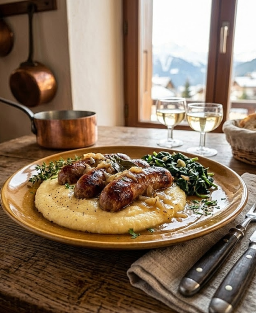
Traditional sides: White or red beans, roasted vegetables, country bread.
Douro DOC – Touriga Nacional: Soft tannins, dark fruit (blackberry, cassis), gentle spice, woody notes.
Perfect with grilled Paio or bean stew.
Recommended vintages: 2018–2021.
Alentejo DOC – Aragonez / Trincadeira: Fruity, plum and black cherry notes, lightly peppered.
Excellent with sautéed or stewed Paio.
Recommended vintages: 2017–2019.
Vinho Verde DOC – Loureiro / Alvarinho: Light, vibrant, floral and citrus aromas, refreshing acidity.
Ideal with Paio as a cold starter or in vegetable stews.
Recommended vintages: 2020–2023.
Dão DOC – Encruzado: White flowers, stone fruit, elegant minerality.
Pairs beautifully with steamed dishes or fish-and-charcuterie combinations.
Recommended vintages: 2019–2021.
Alentejo Rosé – Castelão / Syrah: Fresh, light, red fruit and citrus notes.
Perfect as an aperitif with grilled or sliced Paio on toast.
Recommended vintages: 2019–2022.
Douro Rosé – Touriga Nacional / Tinta Roriz: Raspberry, strawberry, gentle spice, refreshing acidity.
Balances the smoky and salty profile of Paio.
Recommended vintages: 2020–2021.
Fresh grape juice – mirrors young red wines with fruit intensity.
Sparkling water with lemon or orange – refreshing palate cleanser.
Rosemary infusion or iced lemon tea – complements smoky, spicy notes.
Lightly fermented (non-alcoholic) apple juice – balances Paio’s richness.
Energy: 350 kcal / 1465 kJ
Fat: 28 g
Carbohydrates: 1 g
Protein: 25 g
Fiber: 0 g
Allergens: None (possible cross-contamination in artisanal production)
Suitable for gluten-free and lactose-free diets.
| Term | Definition |
|---|---|
| Meat grinder | Machine for evenly mincing meat for sausages. |
| Natural casings | Cleaned pork intestines used to encase sausages. |
| Smoking | Process of preserving and flavoring food by wood smoke exposure. |
| Curing (Aging) | Time of maturation that develops flavor and texture after smoking. |
| Butcher’s twine | Food-safe string used to tie sausages. |
| Paprika | Spice made from dried red peppers, used for color and flavor. |
| Artisanal charcuterie | Traditional meat preparation without chemical additives. |
| Internal temperature | The core temperature ensuring proper cooking and food safety. |
Other names: Paio de porco, Smoked Paio
Discover the traditional recipe of Paio, Portugal’s iconic smoked sausage, made from pork, fatback, and spices. This delicacy combines rustic simplicity, authenticity, and intense flavor. Perfect to enrich stews, bean dishes, or enjoyed on its own, this charcuterie reflects the craftsmanship and heritage of Portuguese artisanal curing traditions.
"Quem come paio, nunca se atraiçoa!"
("He who eats Paio never betrays his appetite" – a popular Portuguese saying celebrating conviviality around cured meats.)
According to tradition, in the 17th century, the inhabitants of northern Portugal, facing harsh winters, preserved pork by smoking it to ensure a protein supply throughout the year.
The smoking technique for Paio is said to have been inspired by merchants from Central Europe, who adapted their methods to local woods and available spices.
Over time, Paio became a symbol of winter preparation and festivity in Portuguese homes.
Country: Portugal
Regions: North and Center (Minho, Trás-os-Montes)
Official status: Traditional recipe, without PDO or PGI
Recipe inventor: Handed down through artisanal and family tradition
Codified recipe: Yes
Traditional specifications: fresh pork, fatback, salt, garlic, paprika or pepper, natural casing, oak or chestnut wood smoking
Certification body: Local traditional charcuterie associations (e.g. Associação Portuguesa de Charcutaria Tradicional)
Paio, Portugal’s emblematic smoked sausage, originates from the rural regions of Minho and Trás-os-Montes, where pork reigned supreme at winter feasts.
As early as the 17th century, records mention smoking as an essential preservation method for meat during long, cold months, giving each village its unique aromatic signature.
Local woods — oak and chestnut — impart Paio’s distinctive warm, subtly woody aroma, while sea salt and garlic, perfected in the 19th century, highlight its depth of flavor.
Traditionally enjoyed during festivities, Christmas, and community gatherings, Paio accompanied bean stews and pork dishes as a symbol of generosity and conviviality.
Over the centuries, Spanish and broader European influences introduced new spices, such as paprika and sweet pepper, leading to diverse regional variations.
With Portuguese emigration, Paio crossed the Atlantic, inspiring certain American cured meats while remaining deeply rooted in Portuguese tradition.
Each family guards its own secret: the balance of salt, spice proportions, choice of wood, and smoking time.
This know-how, passed down through generations, has made Paio a true cultural emblem, celebrated at fairs and charcuterie festivals.
In the 20th century, some producers began marketing it on a larger scale, without betraying its artisanal spirit.
Even today, Paio is crafted in the old-fashioned way, using natural casings and slow smoking to preserve its firm texture and delicate aromas.
Paio is not only savored for its flavor — it tells a story: that of Portuguese villages where charcuterie was both an art and a social bond.
In stews, on festive tables, or simply sliced as an appetizer, it embodies refined simplicity, conviviality, and pride in Portugal’s culinary heritage.
Every village and artisan adds their own touch — spicier here, more smoky there.
And among all its cousins — chouriço, farinheira, alheira — Paio remains a timeless symbol of rustic cuisine, rich in taste and tradition.
Casa do Paio – Braga: Upholds traditional recipe and slow smoking.
Charcutaria Minhota – Viana do Castelo: Artisan sausages for stews and festive dishes.
Talho do Norte – Porto: Spicier variants, modern twist.
Mercado da Ribeira – Lisbon: Sells smoked Paio following regional traditions.
Charcutaria Trás-os-Montes – Chaves: Chestnut wood smoking, natural casing.
Antiga Casa Barros – Guimarães: Historical reference, family recipe preserved for three generations.
Presentation: Firm sausage with reddish-brown color, slightly glossy and oily surface, aromas of smoke and spice.
Culinary characteristics: Slow smoking, minimum 2–3 week curing, eaten raw or used in cooked dishes.
Required utensils: Meat grinder, natural casings, butcher’s twine, traditional or modern smoker, meat thermometer, cutting board.
Lean pork: 1 kg
Fresh fatback: 500 g
Salt: 25 g
Garlic: 4 crushed cloves
Sweet paprika: 10 g (optional, depending on region)
Ground black pepper: 5 g
Natural pork casings (length as needed)
Butcher’s twine for tying
Prep time: 45 min
Smoking and curing time: 2–3 weeks
Difficulty: Medium (charcuterie technique)
Select high-quality pork, preferably a local breed for optimal flavor.
Cut the lean meat and fat into 1–2 cm cubes.
Grind using a medium plate for a coarse yet uniform texture.
Keep the meat cold throughout the process.
Add salt (about 20 g/kg), finely chopped garlic, sweet or smoked paprika, and freshly ground pepper.
Mix thoroughly by hand or with a slow mixer until the seasoning is evenly distributed.
Rinse natural casings in warm water and soak to soften.
Fill using a sausage stuffer, avoiding air pockets.
Tie off every 15–20 cm with butcher’s twine for uniform sausages.
Let rest for 12 hours in a cool environment (0–4 °C) to stabilize the mixture.
Hang the sausages in a smoker prepared with hardwood (oak or chestnut).
Maintain a low temperature (20–25 °C) for slow, even smoking.
Smoke for 24–48 hours, depending on desired intensity.
Keep humidity around 60–70 % to prevent overdrying.
Hang in a cool, ventilated, dry area for 2–3 weeks.
The sausage should become firm to the touch and develop its full smoky and spiced aroma.
After curing, store in a dry place or refrigerator.
Wrap in food-safe film or breathable charcuterie bags.
Shelf life: 4–6 weeks under controlled temperature.
Always use hardwood for optimal flavor.
Avoid overcrowding the smoker for even airflow.
Adjust seasoning to meat’s fat content — fat softens salt and spices.
Test maturity by gently pressing — should be firm but not brittle.
Turn sausages every 2–3 days for even curing.
Minho: Long smoking, sweet paprika, firmer and saltier.
Trás-os-Montes: Chestnut wood smoke, milder flavor, tender texture.
Alentejo: Less smoky, slightly spicier seasoning.
Contemporary versions: Used in tapas or modern charcuterie, thinly sliced as appetizers.
Presentation style: Rustic or refined, depending on use.
Serving: Thick or thin slices, on plates or in stews.
Traditional sides: White or red beans, roasted vegetables, country bread.
Douro DOC – Touriga Nacional: Soft tannins, dark fruit (blackberry, cassis), gentle spice, woody notes.
Perfect with grilled Paio or bean stew.
Recommended vintages: 2018–2021.
Alentejo DOC – Aragonez / Trincadeira: Fruity, plum and black cherry notes, lightly peppered.
Excellent with sautéed or stewed Paio.
Recommended vintages: 2017–2019.
Vinho Verde DOC – Loureiro / Alvarinho: Light, vibrant, floral and citrus aromas, refreshing acidity.
Ideal with Paio as a cold starter or in vegetable stews.
Recommended vintages: 2020–2023.
Dão DOC – Encruzado: White flowers, stone fruit, elegant minerality.
Pairs beautifully with steamed dishes or fish-and-charcuterie combinations.
Recommended vintages: 2019–2021.
Alentejo Rosé – Castelão / Syrah: Fresh, light, red fruit and citrus notes.
Perfect as an aperitif with grilled or sliced Paio on toast.
Recommended vintages: 2019–2022.
Douro Rosé – Touriga Nacional / Tinta Roriz: Raspberry, strawberry, gentle spice, refreshing acidity.
Balances the smoky and salty profile of Paio.
Recommended vintages: 2020–2021.
Fresh grape juice – mirrors young red wines with fruit intensity.
Sparkling water with lemon or orange – refreshing palate cleanser.
Rosemary infusion or iced lemon tea – complements smoky, spicy notes.
Lightly fermented (non-alcoholic) apple juice – balances Paio’s richness.
Energy: 350 kcal / 1465 kJ
Fat: 28 g
Carbohydrates: 1 g
Protein: 25 g
Fiber: 0 g
Allergens: None (possible cross-contamination in artisanal production)
Suitable for gluten-free and lactose-free diets.
| Term | Definition |
|---|---|
| Meat grinder | Machine for evenly mincing meat for sausages. |
| Natural casings | Cleaned pork intestines used to encase sausages. |
| Smoking | Process of preserving and flavoring food by wood smoke exposure. |
| Curing (Aging) | Time of maturation that develops flavor and texture after smoking. |
| Butcher’s twine | Food-safe string used to tie sausages. |
| Paprika | Spice made from dried red peppers, used for color and flavor. |
| Artisanal charcuterie | Traditional meat preparation without chemical additives. |
| Internal temperature | The core temperature ensuring proper cooking and food safety. |