

New Products
New Products



Flavors of France
Worldwide recognition of French cuisine: from kings to contemporary chefs
1. Middle Ages – Renaissance: royal and aristocratic cuisine
Medieval master chefs:
-
Maître Chiquart (c. 1420), chef to Duke Amadeus VIII of Savoy: codified complex recipes for princely tables, refined use of rare herbs and spices.
-
French royal kitchens were known for their pursuit of prestige and the sophistication of banquets (pies, pâtés, rich sauces).
Impact: French gastronomy begins to be defined as an art for courts and nobles, with a precise hierarchy in preparations and culinary ceremonies.
2. 17th–18th centuries: classical cuisine and codification
-
François Pierre La Varenne (1615‑1678): considered the father of modern French cuisine; published Le Cuisinier François (1651), codifying sauces and preparations, simplifying medieval excesses; replaced foreign spices with local herbs and wine to bind sauces.
-
Marie-Antoine Carême (1784‑1833): first international “celebrity chef,” known for monumental pastries and decorative pieces; developed grande cuisine, distinguishing starters, soups, roasts, and entremets.
Impact: French cuisine becomes synonymous with refinement and prestige, exported to European courts.
3. 19th century: bourgeois cuisine and popularization
-
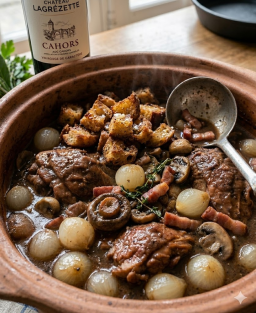
Auguste Escoffier (1846‑1935): codified classical French cuisine in Le Guide Culinaire (1903); introduced the modern kitchen brigade system; popularized dishes like Bœuf Bourguignon, Coq au vin, Hollandaise sauce, and Peach Melba.
-
Félix Thiollier and Belle Époque chefs: spread French gastronomy internationally through luxury restaurants and Parisian hotels.
Impact: French cuisine becomes the global reference, adopted in major capitals and by the upper bourgeoisie.
4. 20th century: media exposure and global export
-
Paul Bocuse (1926‑2018): father of Nouvelle Cuisine, lighter and more creative cooking, highlighting local products and natural flavors; popularized French gastronomy to the general public and media.
-
Joël Robuchon (1945‑2018): world’s most Michelin-starred chef (31 stars); spread French cuisine internationally with restaurants in Tokyo, Las Vegas, and Singapore.
-
Julia Child (1912‑2004): American, but played a major role in exporting French cuisine to the U.S. through TV and books.
Impact: French cuisine becomes a global standard, accessible to amateurs and professionals alike.
5. 21st century: contemporary chefs and global influence
-
Anne-Sophie Pic: triple Michelin-starred chef, modernizing classics with finesse and creativity.
-
Alain Ducasse: ambassador of French gastronomy, opening restaurants across continents and mentoring generations of international chefs.
-
Massimo Bottura, René Redzepi, and other foreign chefs: inspired by French techniques, demonstrating its universal influence.
Impact: French cuisine continues to symbolize culinary excellence and refinement worldwide, influencing both fine dining and reinterpreted regional cuisine.
Subcategories


There are 40 products.
-

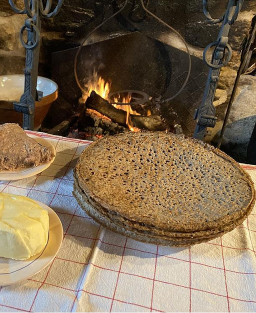
Limousin Galetou (Tourtou) Buckwheat Recipe
Limousin Galetou (Tourtou) Buckwheat Recipe
A thick, yeast-leavened buckwheat flatbread from the Massif Central, traditionally used as a rustic farmhouse bread.
.